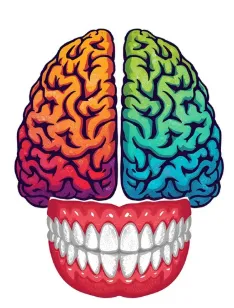
Mental Health Awareness Week: How Your Mouth Affects Your Mind
Mental Health Awareness Week: How Your Mouth Affects Your Mind
The first week of October is Mental Health Awareness Week, a time to shine a light on an often-overlooked factor in mental wellness: your oral health. Many people don’t realize that the state of your mouth can have a direct impact on your mental well-being.
Research shows that poor oral health is linked to higher rates of stress, anxiety, and depression. Gum disease, tooth pain, or even chronic bad breath can lead to social embarrassment, self-consciousness, and lower self-esteem. Over time, these issues can contribute to mental health challenges, creating a cycle where stress and anxiety may also worsen oral health.
It’s also important to recognize that when your mental health is struggling, daily routines like brushing and flossing can feel impossible. “Nothing matters” is a common feeling in depression, and unfortunately, this neglect allows oral disease to start silently. When emerging from a depressive state, the extent of dental problems can feel overwhelming, leaving individuals with cavities, gum disease, or other oral health issues to face in addition to their mental recovery.
Here’s how the connection works:
Inflammation and bacteria in the mouth affect the body and brain. Chronic oral infections trigger inflammation, which has been associated with mood disorders and cognitive decline.
Pain and discomfort take a mental toll. Toothaches, sensitivity, or untreated cavities can disrupt sleep, concentration, and overall quality of life.
Self-esteem and social interaction matter. People with oral health issues often avoid smiling, speaking, or socializing, which can increase feelings of isolation and stress.
The good news? Small, consistent oral care habits can support both your mouth and your mind:
*Brush and floss daily to prevent bacteria buildup and gum disease.
*Use a water flosser, coconut oil, or dry brushing to combat plaque and ward off preventable dental disease.
*Schedule regular dental visits to catch problems early.
*Choose oral care products that promote gum and tooth health, like xylitol mints or nano-hydroxyapatite toothpaste.
*Manage stress through mindfulness, exercise, and healthy routines, as stress can worsen oral health issues like bruxism (teeth grinding).
Taking care of your mouth isn’t just about a bright smile—it’s a key part of maintaining mental and emotional well-being. This Mental Health Awareness Week, let’s remember that healthy habits in your mouth can support a healthier mind, and even small steps can make a big difference—even when recovery feels challenging.
